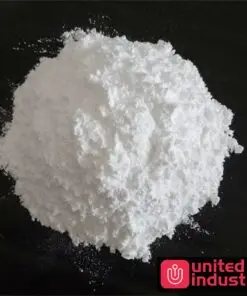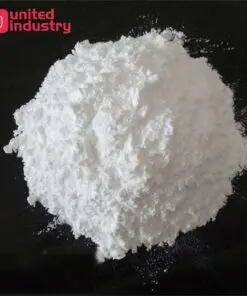
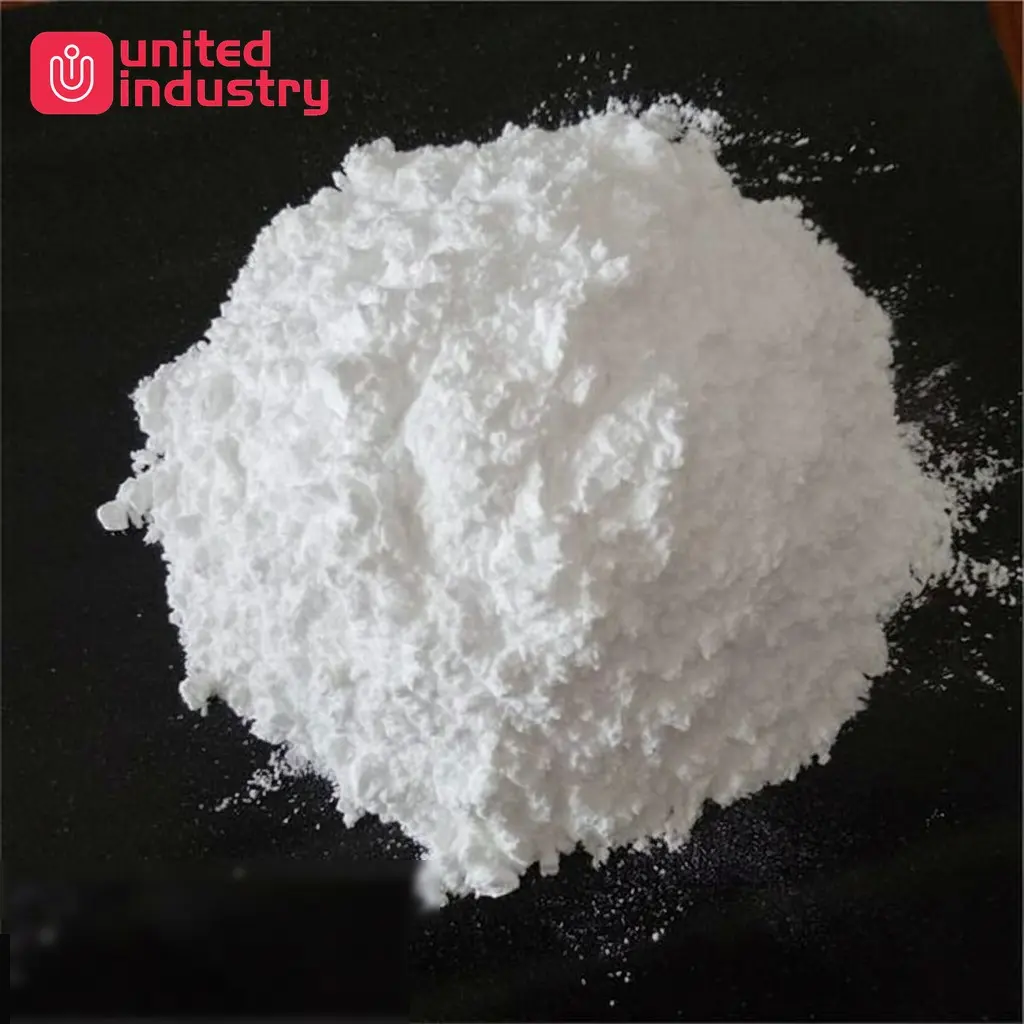
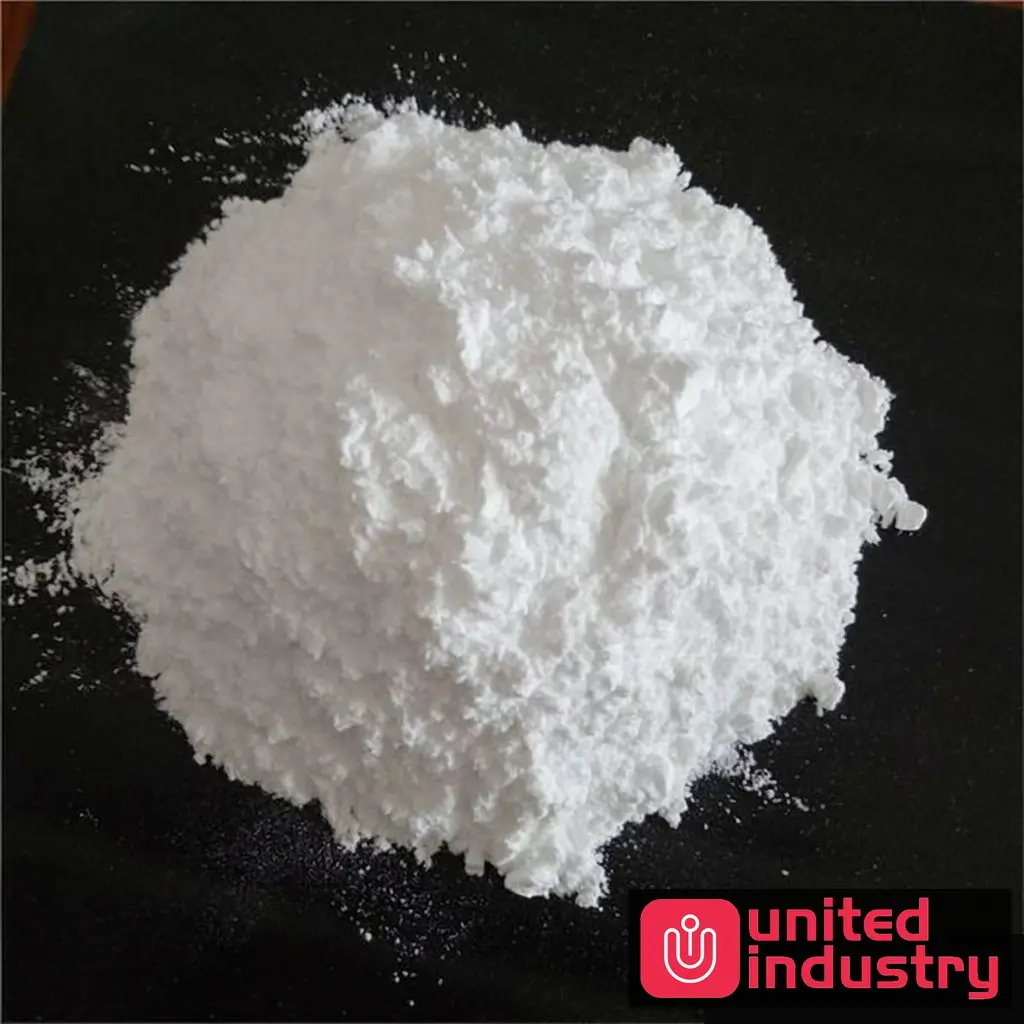
TPU Hot Melt Powder Series
United TPU hot melt powder series covers two grades of thermoplastic polyurethane adhesive powder for screen heat transfer printing and shoe material applications. UT-1007 is the workhorse grade for durable, wash-resistant transfers on sportswear, elastic garments and footwear. UT-1290 uses aliphatic TPU chemistry, so white and light-coloured prints stay bright instead of turning yellow over time.
Both grades melt at low temperatures and form a soft, flexible bond line. As a result, they bond strongly to demanding substrates, including PVC, PU, woven and knitted fabrics, and genuine leather. Each grade comes as a free-flowing white powder in four screened particle-size cuts, from 0-80 to 200-500 micron. Because of that range, you can match the TPU hot melt powder to your screen mesh, powder-scatter line and required dot weight.
Key Features
- Two grades for two jobs — UT-1007 for durable, wash-resistant transfers; UT-1290 for white and light-coloured work where yellowing is unacceptable
- Low melting range (100-130 °C) — energy-saving pressing and safe processing on heat-sensitive substrates
- Soft and flexible bond line — keeps the stretch and hand feel of elastic fabrics
- Strong adhesion to PVC, PU, fabric and genuine leather — one powder family covers the most common transfer substrates
- Four particle-size cuts (0-80 / 80-180 / 100-300 / 200-500 µm) — matched to screen mesh, powder-scatter equipment and dot weight; custom distributions on request
- Wash-resistant results — transfers survive repeated domestic laundering
- Solvent-free powder — clean pressing with no volatile emissions
Technical Specifications
| Property | UT-1007 | UT-1290 |
|---|---|---|
| Material | Polyester-based thermoplastic polyurethane | Aliphatic polyester-based thermoplastic polyurethane |
| Appearance | White powder | White powder |
| Flow beginning temperature | 95 °C | 100 °C |
| Melting range | 100-125 °C | 105-130 °C |
| Density | 1.2 g/cm³ | 1.2 g/cm³ |
| Melt flow rate (150 °C, 2.16 kg) | 10-25 g/10 min | 20 g/10 min |
| Particle size | 0-80, 80-180, 100-300, 200-500 µm | 0-80, 80-180, 100-300, 200-500 µm |
| Standout property | Durable, wash-resistant transfers | Yellowing resistance for white and light colours |
| Packaging | 1 kg / 2 kg / 5 kg aluminum-plastic bags, or 20 kg paper bags | 1 kg / 2 kg / 5 kg aluminum-plastic bags, or 20 kg paper bags |
We can also supply other particle-size distributions and packaging formats on request.
TPU Hot Melt Powder Applications
In screen heat transfer printing, converters scatter the powder onto release film to produce hot-fix transfers for fashion, sportswear, workwear and team apparel. The transfers then bond reliably to cotton, polyester and elastic blends. In the shoe material industry, the same powders laminate and reinforce counters, linings and decorative panels made of PU, PVC or genuine leather.
UT-1007 fits jobs where a soft, elastic and wash-resistant bond matters most. For example, typical uses include embroidered patches and badges, laminated technical textiles, and leather goods where a visible glue line is unacceptable.
However, UT-1290 is the grade for visually critical work. White logos on sportswear, pastel fashion prints, baby and children’s clothing, and white PU or leather goods all benefit from its aliphatic chemistry. Because it runs in the same powder-scatter and pressing workflows as UT-1007, you gain the cleaner result without new equipment.
Finally, in DTF transfer printing, both grades scatter at 80-180 micron over the wet ink and cure at 95-110 °C. The bond stays elastic, so prints do not crack on stretch fabrics. For white and light-coloured garments, choose UT-1290; for dark fabrics, UT-1007 does the job economically.
Frequently Asked Questions
Which TPU powder grade should I choose?
Choose UT-1007 for standard transfers on dark or coloured garments, where it delivers durable and wash-resistant bonds at an economical cost. Choose UT-1290 when the print is white or light-coloured and any yellow shift would reject the product. Send us your substrate and design, and we will confirm the right grade.
Why does UT-1290 resist yellowing better than standard TPU powders?
UT-1290 is based on aliphatic polyurethane chemistry. Aromatic TPU grades contain structures that break down under UV light and heat, and that breakdown produces the typical yellow shift. The aliphatic structure of UT-1290 does not break down in the same way, so white and light-coloured transfers keep their original appearance far longer.
Which particle size should I choose?
Finer cuts such as 0-80 µm suit high-mesh screens and fine dot patterns. Coarser cuts such as 200-500 µm give higher dot weight and stronger bonds on heavy fabrics. If you are unsure, send us your substrate and equipment details, and we will recommend a grade.
Do your products meet quality or certification requirements?
We can test and certify our products according to customer requirements, for example with SGS test reports on key parameters including color fastness. Please specify the standard or test items you need when enquiring.
Ordering, Samples and Shipping
What is the minimum order quantity (MOQ)?
There is no fixed MOQ. We discuss order quantities according to your needs. Trial orders and small test batches are welcome; contact us with your target application and annual volume for a proposal.
Can I get a sample for testing?
Yes. Tell us your substrate, process and required particle-size cut, and we will arrange a sample for quality testing. We confirm sample quantity and courier arrangements by email before dispatch.
How is the product packed and shipped?
Standard packing is 1 kg, 2 kg or 5 kg aluminum-plastic bags, or 20 kg paper bags. We ship goods worldwide from China by air or sea freight, with moisture-proof export packing on request.