Heat Transfer Printing applies heat-sensitive adhesive materials to textiles and other items with a heat press — the fastest way to personalize garments on demand.
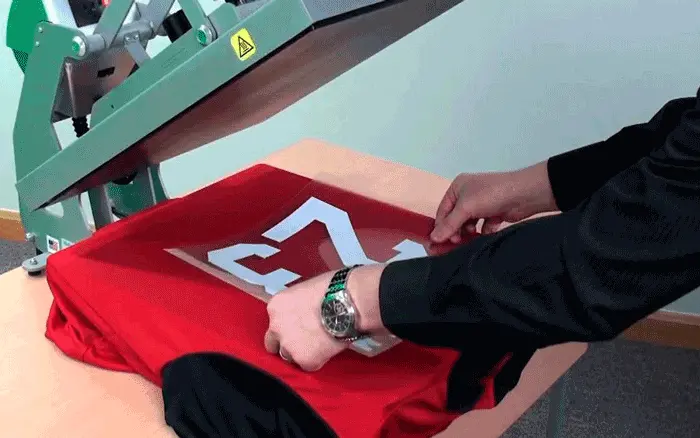
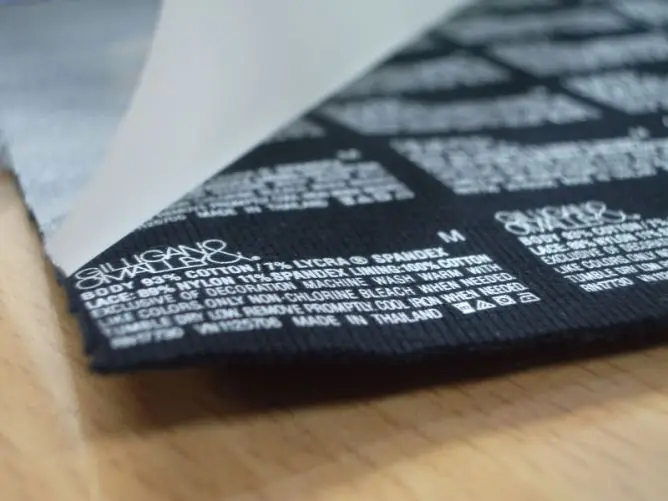
Heat Transfer Printing is the process of applying heat-applied materials to various items with a heat press. Heat-applied materials carry a heat-sensitive adhesive on one side. When the press applies heat, that adhesive bonds to the substrate underneath. The end result is a decorated garment.
Heat printing opportunities
Decorating with a heat press is an easy, cost-effective way to enter the garment decoration industry. It provides the opportunity to personalize a wide variety of items.
T-Shirts
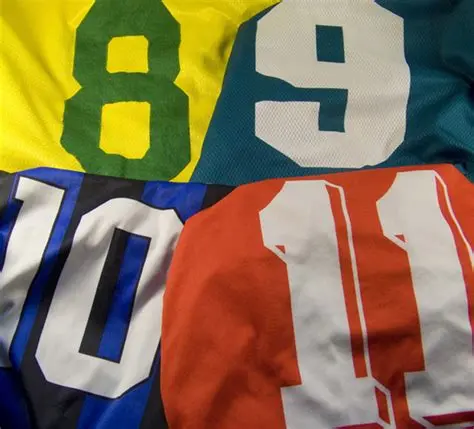
Team uniforms
Bags
Fan wear
Corporate
Small businesses
Clubs
Schools
Fashion
Application Process
Three key components to consider when decorating with a heat press are: time, temperature, and pressure. Every heat transfer material has its own heat printing instructions.
Time: The amount of time, in seconds, that heat must be applied to the design/garment. Temperature: The optimal degree at which the design will adhere to the garment. Pressure: The amount of downward force needed when heat applying.
What Is DTF
DTF (Direct to Film) is the newest branch of heat transfer printing. A printer lays a full-colour image onto PET film, adhesive powder is scattered over the wet ink, the film is cured, and the transfer is pressed onto the fabric. No screen, no cutting, no minimum run — which is why it has taken over short-run and full-colour work.
DTF Process in Five Steps
Print. The design is printed in reverse onto PET film with pigment inks, white base first, then CMYK on top.
Powder. Adhesive powder is scattered evenly across the wet ink. Excess powder is shaken off and recovered.
Cure. The film passes through a curing oven at roughly 95-110 °C for 60-90 seconds. The powder gels into the ink without fully melting.
Press. The transfer is applied at about 140-160 °C for 10-15 seconds under medium pressure.
Peel. The film is removed cold or hot depending on the film type, leaving the printed image bonded to the fabric.
Product Range for Heat Transfer Printing
Thermoplastic Polyurethane (TPU)
United TPU adhesive powders are high-end materials, combining extreme elasticity with a soft touch for a transfer that outlasts the garment. The wide processing window suits DTF well, where the 80-180 micron grade is the standard scattering cut for stretch fabrics and sportswear.
United PES adhesives are in demand where bonding strength and wash resistance matter more than elasticity. In DTF they are specified for polyester garments and workwear, using the 80-170 or 80-200 micron cut.
United PA adhesives are designed for the highest bonding strength requirement, with an easy process and a wide application range that keeps cost down. In DTF they suit cotton and heavy fabrics where a firm hand and abrasion resistance are acceptable.