Polyamide Hot Melt Powder
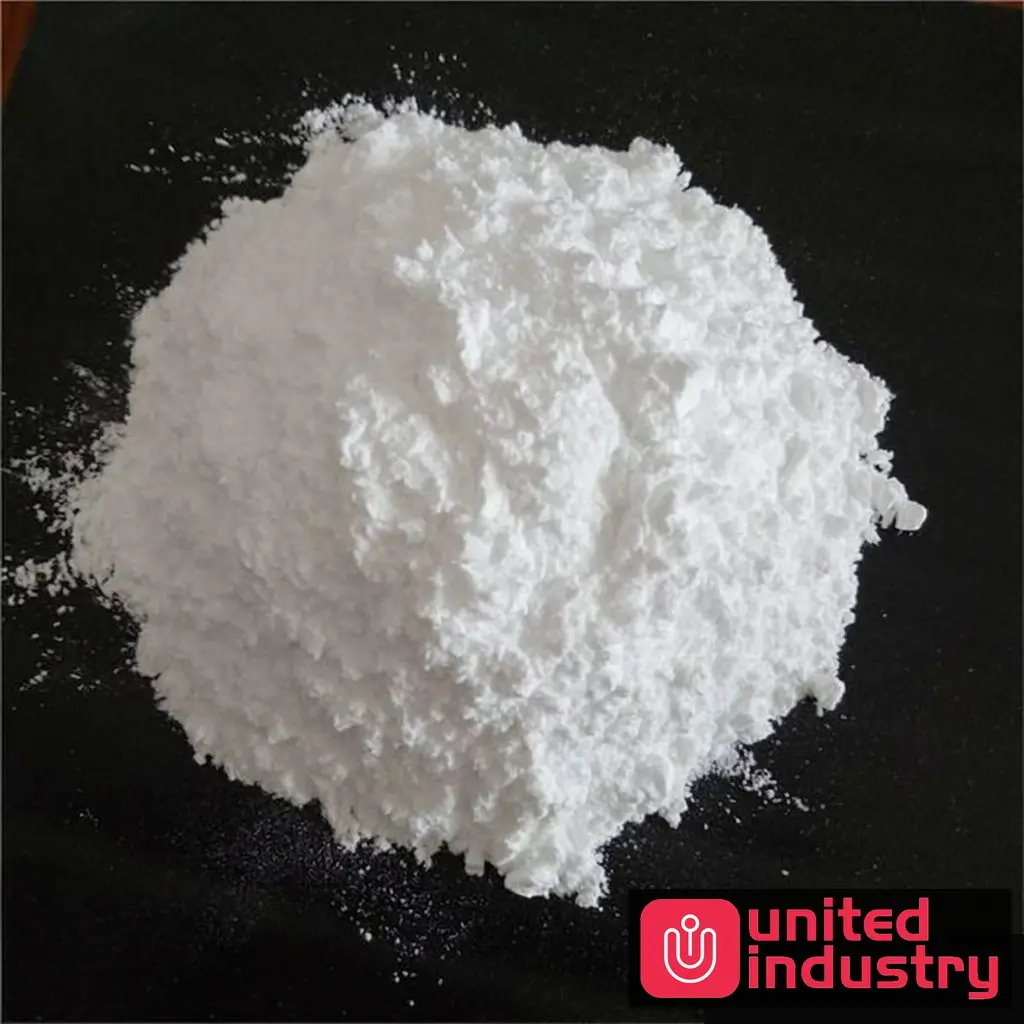
United polyamide hot melt powder is a high-viscosity PA adhesive powder engineered for lamination with excellent bonding strength. High melt viscosity is what separates this grade on the lamination line: the molten powder stays where it is applied instead of sinking deep into the fabric, forming a strong, uniform and closed glue line. The result is higher peel strength, cleaner bonding on open-weave textiles, and laminates that survive repeated washing without delamination. With a melting range of 105–120°C, it processes at moderate pressing temperatures on standard powder-scatter and calendar lamination lines. Supplied in three screened particle-size grades from 0–80 to 180–420 micron (other distributions on request), it serves garment and shoe industry converters for heat transfer printing, textile lamination and shoe-fabric bonding.
Key Features
- High melt viscosity — forms a strong, uniform glue line instead of soaking into the fabric; higher peel strength on open and lightweight textiles
- Excellent bonding strength — reliable adhesion across garment and shoe materials
- Low melting range (105–120°C) — moderate pressing temperatures protect heat-sensitive fabrics and save energy
- Three particle-size grades (0-80 / 80-170 / 180-420 µm) — matched to screen mesh, powder-scatter equipment and dot weight; custom distributions on request
- Wash-resistant laminates — bonded panels keep integrity through repeated laundering
- Polyamide chemistry — good adhesion to difficult textile surfaces where basic EVA or TPU grades underperform
Technical Specifications
| Property | Value |
|---|---|
| Material | Polyamide hot melt adhesive |
| Melting range | 105-120°C |
| Melt viscosity | High |
| Particle size | 0-80, 80-170, 180-420 µm (or as required) |
| Main application | Lamination |
| Packaging | 1 kg / 2 kg / 5 kg aluminum-plastic bags, or 20 kg paper bags |
Other particle-size distributions can be supplied on request.
Applications
This powder is built for the garment and shoe industries. In textile lamination, it bonds fabric-to-fabric and fabric-to-foam panels for outerwear, sportswear and workwear, where its high viscosity keeps the glue line on the surface and the laminate breathable. In shoe material production, it laminates lining fabrics, reinforces counters and bonds decorative panels on shoe uppers. In heat transfer printing, it is scattered onto release carrier as the hot-melt layer of transfers for garments and shoe fabrics. Typical substrates include woven and knitted fabrics, non-wovens, foams and leather-look materials. If your lamination line needs a stronger glue line than a standard grade delivers, this is the powder to trial first.
Why Choose Us
Shanghai United Industry Co., Ltd, founded in 2017, is a specialized manufacturer and exporter of hot melt adhesives — powders, films and polyamide grades — supplying customers worldwide. Every batch passes in-house checks for melting range and particle-size distribution before shipment, so what you approve in sampling is what you receive in bulk production. We provide free technical consultation on pressing temperature, dwell time and mesh selection, and support each customer from first sample through mass production. Export packing in moisture-proof bags and flexible order quantities make us an easy partner for both trading companies and end users.
Frequently Asked Questions
Why does high viscosity matter for lamination?
High melt viscosity keeps the molten adhesive on the fabric surface instead of letting it wick deep into the textile. That produces a uniform, closed glue line with higher peel strength — especially valuable on open-weave and lightweight fabrics where low-viscosity powders underperform.
Which particle size should I choose?
Finer grades such as 0-80 µm suit fine dot patterns and high-mesh screens; medium 80-170 µm covers most scatter-lamination work; coarser 180-420 µm gives higher dot weight and stronger bonds on heavy fabrics. Send us your substrate and equipment and we will recommend a grade.
What is the minimum order quantity (MOQ)?
There is no fixed MOQ — order quantities are discussed according to your needs. Trial orders and small test batches are welcome; contact us with your target application and annual volume for a proposal.
Can I get a sample for testing?
Yes. Tell us your substrate, process and required particle-size grade, and we will arrange a sample for quality testing. Sample quantity and courier arrangements are confirmed by email before dispatch.
How is the product packed and shipped?
Standard packing is 1 kg, 2 kg or 5 kg aluminum-plastic bags, or 20 kg paper bags. Goods are shipped worldwide from China by air or sea freight, with moisture-proof export packing on request.
Do your products meet quality or certification requirements?
Our products can be tested and certified according to customer requirements, for example SGS test reports on key parameters. Please specify the standard or test items you need when enquiring.