Co-Polyamide Hot Melt Powder Series — UA-PA Grades
United supplies its co-polyamide hot melt powder as the UA-PA series: co-polyamide powders built for bond strength first. Because the backbone is polyamide, these powders deliver higher peel and shear strength on textile, foam and leather-look substrates than general-purpose EVA or TPU powders, and the bond stays put through repeated laundering and dry cleaning.
Most lamination faults customers send us are not “washes off too early” but “never stuck properly to begin with”: the panel passes the first wash and then lifts at the edge, or holds when dry and creeps once it is wet. That is why we work from the bond first and the wash rating second. Wash resistance follows from a sound bond, so no finish can add it on top of a weak one.
The series has three grades — UA-8130, UA-8250 and UA-8513. On paper they look almost identical: same co-polyamide chemistry, same melt flow index of 30 g/10min, same bonding pressure and dwell time, so bond strength is the same across all three. What separates them, however, is the wash programme each grade targets and the bonding temperature it needs to get there. As a guide, UA-8130 suits 40 °C household washing, UA-8250 60 °C industrial programmes and UA-8513 severe-duty 90 °C laundering. Because those three figures come from reference wash tests, treat them as a selection guide rather than a guaranteed rating. On your article the limit depends on substrate, add-on and wash cycle, so we confirm it by wash-testing your own panels.
Key Features
- Bond strength is the constant — all three grades share the same co-polyamide backbone and the same 30 g/10min MFI, so peel and shear strength do not change with the grade; you are choosing a wash programme, not trading strength away
- Wash resistance up to severe-duty programmes — the series covers 40 °C household washing through 90 °C industrial and hospital laundering. Treat those figures as a selection guide rather than a rating: where a care label sits outside that range, we test your substrate instead of quoting a number
- Same processing across all three grades — identical MFI (30 g/10min at 160 °C), identical 2.0–4.0 bar and 10–20 s dwell, so switching grade does not force a line re-setup
- Adhesion where EVA and TPU give up — co-polyamide chemistry holds on difficult textile surfaces, coated fabrics and foams, with dry-cleaning resistance as well as wash resistance
- Four particle-size cuts on every grade — 0–63 and 0–80 µm for paste, 80–200 µm for dot, 200–500 µm for scattering; other distributions on request
- Moderate bonding temperature — 125–155 °C depending on grade, which protects heat-sensitive shells and saves energy on the press
Technical Specifications
| Property | UA-8130 | UA-8250 | UA-8513 |
|---|---|---|---|
| Chemistry | Co-polyamide | Co-polyamide | Co-polyamide |
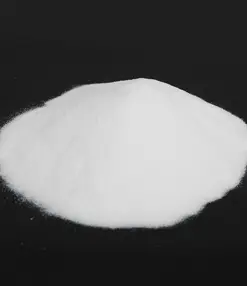
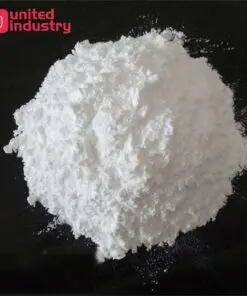
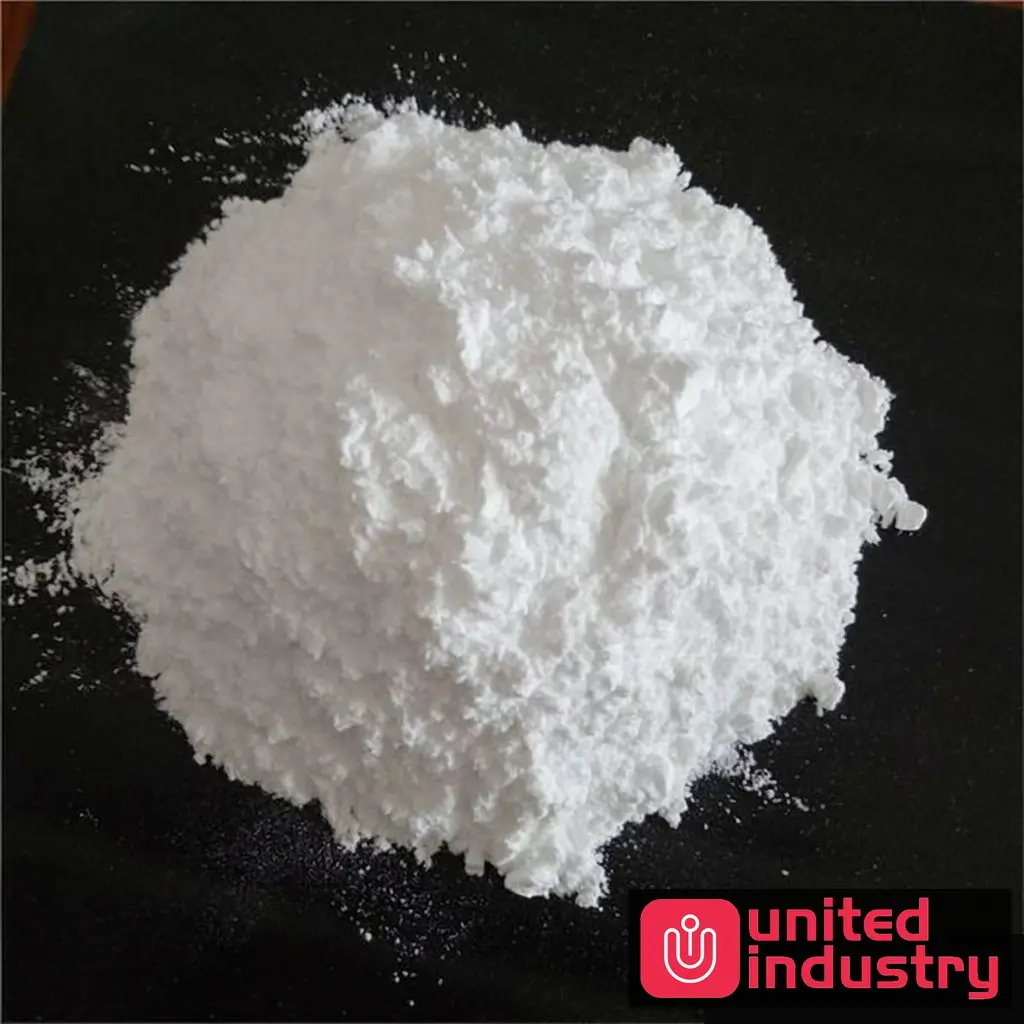
| Appearance | White powder | White powder | White powder |
| Melting range | 110–125 °C | 110–125 °C | 120–132 °C |
| Melt flow index (160 °C, 2.16 kg) | 30 g/10min | 30 g/10min | 30 g/10min |
| Wash resistance (indicative) | 40 °C | 60 °C | 90 °C |
| Bonding temperature | 125–145 °C | 125–145 °C | 135–155 °C |
| Bonding pressure | 2.0–4.0 bar | 2.0–4.0 bar | 2.0–4.0 bar |
| Dwell time | 10–20 s | 10–20 s | 10–20 s |
| Particle size (all grades) | 0–63 / 0–80 µm for paste · 80–200 µm for dot · 200–500 µm for scattering | ||
| Packaging | 20 kg kraft paper bags | ||
Treat wash resistance as indicative. The three values come from reference wash tests on standard polyester/cotton panels, so they guide grade selection rather than guarantee a rating. Because the limit on your own article depends on substrate, add-on, dot pattern and wash cycle, we confirm it by testing your panels.
We can screen particle size to other distributions on request, so tell us your mesh, your scatter equipment and the dot weight you run and we will match the cut.
Which co-polyamide hot melt powder grade to choose
Start from the bond, then from the care label. All three co-polyamide hot melt powder grades give the same bond strength, and what changes is the wash programme each grade targets plus the bonding temperature it needs. Pick the grade whose wash level matches the care label, because going one step higher costs bonding temperature and press time without buying extra adhesion.
| Grade | Wash resistance (typical) | Typical use |
|---|---|---|
| UA-8130 | 40 °C | Ordinary household laundering. Lowest bonding temperature of the three, so it suits heat-sensitive shells and thin synthetics. |
| UA-8250 | 60 °C | Workwear, uniforms and rental textiles that go through repeated 60 °C industrial cycles. |
| UA-8513 | 90 °C | Severe-duty programmes: technical textiles, hospital and industrial laundry, heavy protective clothing. Highest melting range and highest bonding temperature. |
If you sit between two grades, send us the care label and the substrate, and we will recommend the lowest grade that passes it. Conversely, running a 90 °C grade on a 40 °C garment only shortens press life and risks heat damage to the face fabric.
Particle size — match the cut to the line
We supply all three grades in four cuts. The cut decides dot weight and resolution far more than the chemistry does: 0–63 µm for ultra-fine paste printing on high-mesh screens; 0–80 µm for standard paste printing and fine mesh work; 80–200 µm for dot coating and most scatter lamination; 200–500 µm for heavier scatter where you want more grammes per square metre and a stronger bond on coarse or high-loft fabrics.
Co-Polyamide Hot Melt Powder Applications
We build the co-polyamide hot melt powder series for the garment and technical textile industries. Textile lamination bonds fabric-to-fabric and fabric-to-foam panels for outerwear, sportswear, workwear and protective clothing, and because the base is co-polyamide the bond survives washing and dry cleaning.
In shoe material production, for example, it laminates lining fabrics, reinforces counters and bonds decorative panels on uppers. In addition, converters scatter it onto release carrier for heat transfer printing as the hot-melt layer of transfers for garments and shoe fabrics. Typical substrates therefore include woven and knitted fabrics, non-wovens, foams and leather-look materials.
Finally, in DTF the 80–200 micron cut covers cotton and heavy fabrics, where a firm hand and abrasion resistance matter more than stretch. PA is also the economical option for workwear and promotional cotton.
Frequently Asked Questions
What is the difference between UA-8130, UA-8250 and UA-8513?
Bond strength is the same across the three, because they share the same co-polyamide chemistry, the same 30 g/10min melt flow index and the same 2.0–4.0 bar and 10–20 s bonding window. What changes is the wash programme each grade targets and the bonding temperature it needs: UA-8130 for 40 °C household washing (bonding 125–145 °C), UA-8250 for 60 °C industrial programmes (125–145 °C), UA-8513 for severe-duty 90 °C laundering (melting 120–132 °C, bonding 135–155 °C). The three wash temperatures are indicative figures from reference tests rather than a guaranteed rating — the limit on your article depends on substrate, add-on and cycle, and we confirm it by wash-testing your panels.
Can you offer a wash resistance above 90 °C?
In that situation, send us the care label and we will tell you what we can hold. The standard UA-PA grades target 90 °C severe-duty laundering as their ceiling; beyond that the answer depends on substrate, add-on and cycle, so we test your panels instead of quoting a figure. If the programme is unusual — an extended high-temperature cycle, a chemical wash or a combined wash-and-tumble regime — say so when you enquire and we will build the test around it.
Which particle size should I choose?
The finest cuts, 0–63 and 0–80 µm, suit paste printing and high-mesh screens. In addition, the 80–200 µm cut covers most dot coating and scatter-lamination work, while 200–500 µm gives higher dot weight and stronger bonds on coarse or high-loft fabrics. For that reason, send us your substrate and equipment and we will recommend a cut.
What is the minimum order quantity (MOQ)?
Since we set no fixed MOQ, we agree order quantities around your needs. Trial orders and small test batches are therefore welcome, so contact us with your target application and annual volume for a proposal.
Can I get a sample for testing?
Yes. First, tell us the grade, the particle-size cut, your substrate and your wash requirement, and we will arrange a sample for quality testing. We confirm sample quantity and courier arrangements by email before dispatch.
How is the product packed and shipped?
As standard, packing is 20 kg kraft paper bags, and we ship goods worldwide from China by air or sea freight. If your line needs a different pack size, tell us the quantity and we will confirm what can be arranged.
Do your products meet quality or certification requirements?
We can test and certify our products according to customer requirements, for example with SGS test reports on key parameters. Therefore please specify the standard or test items you need when enquiring, so we can include them.